
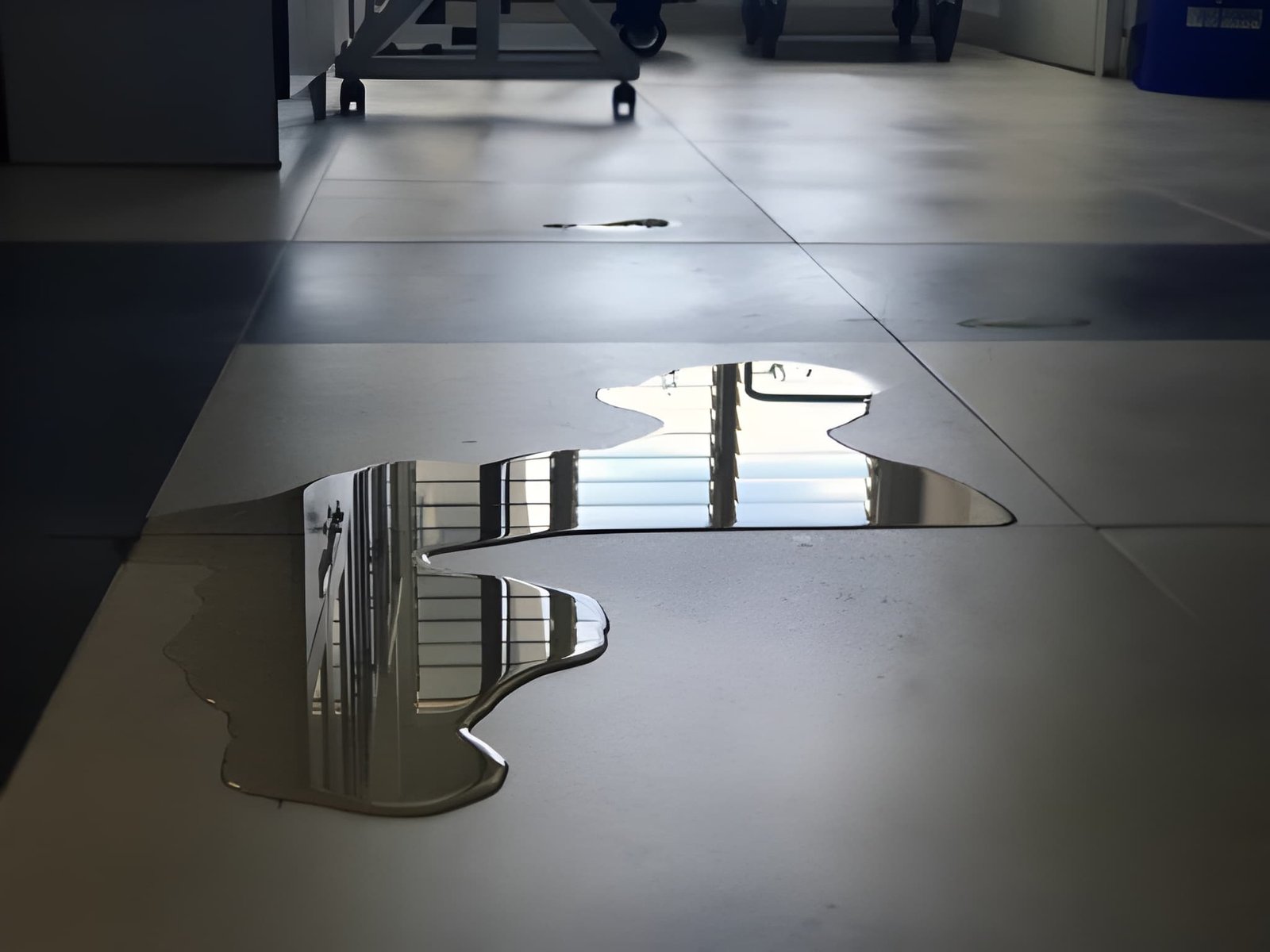
A backyard pool is almost standard in a Phoenix home. What is not obvious is how a slow pool leak can damage the house itself. Water escaping underground erodes soil, threatens the foundation, and feeds mold. By the time you notice, the damage may reach well beyond the pool.
Key Takeaways
- A leaking pool can erode soil and undermine your home's foundation.
- Constant leaks waste water and quietly raise your bills.
- Catching a pool leak early prevents costly structural and mold damage.
How a Pool Leak Reaches Your Home
A pool leak does not stay in the pool. The water travels into the surrounding soil and beyond. In Phoenix's dry, shifting ground, that matters.
Soil Erosion and the Foundation
Escaping pool water washes away the soil supporting your slab. Over time that erosion can crack the foundation. The same shifting soil can damage patios and walkways.
The Mold Connection
Pool water that reaches the home keeps the area damp. The EPA notes that controlling moisture is the key to controlling mold, as covered in its guide to mold and moisture. Constant dampness invites mold near the foundation.
Signs Your Pool Is Leaking
A pool naturally loses some water to evaporation in Phoenix. The trick is telling normal loss from a real leak. A few checks make it clear.
The Bucket Test and Your Bill
Drops well beyond normal evaporation point to a leak. A climbing water bill is another strong clue. The EPA's water statistics show how much water hidden leaks waste each year.
Visible Clues
Look for soggy or sinking spots in the yard near the pool. Cracks in the deck or pool shell can signal trouble. Algae that returns fast may mean diluted, leaking water.
Why Phoenix Homes Are Especially at Risk
Pools are everywhere here, and they run year-round. That constant use gives a leak many months to do damage. The dry soil also shifts more when water comes and goes.
Equipment and Plumbing Leaks
The pump, filter, and underground lines all can leak. A line break under the deck hides until damage shows. These leaks often go unseen for a long time.
What to Do About a Suspected Leak
Acting early keeps a pool leak from reaching your home. A quick response limits the spread. Knowing the next step helps.
Find It and Dry It
A leak detection pro can pinpoint the source without tearing everything up. If water has reached the home, the structure needs drying. Document any damage for your insurance claim.
Bright Home Construction handles water damage from pool leaks for Phoenix homeowners. We dry the affected areas and check the foundation and walls for moisture. You can see how our water damage restoration service responds.
When a leak has spread into the home, our restoration services team handles the full repair. Fast action keeps the cost down.
Leak or Just Evaporation?
Every Phoenix pool loses water to the dry air. The question is how much is normal. A simple rule sorts it out.
What Normal Loss Looks Like
Most pools lose about a quarter inch of water a day to evaporation. Phoenix heat can push that a little higher. Losing half an inch or more a day suggests a leak.
The Quick Gut Check
Compare your loss before and after running the pump. More loss with the pump on points to a pressure-side leak. More loss with it off points to the shell or drain.
How to Do the Bucket Test
The bucket test is the easiest way to confirm a leak. It separates evaporation from a real loss. Anyone can run it in a few days.
Set Up the Test
Fill a bucket and set it on a pool step. Mark the water level inside and on the pool outside. Leave the pump running as normal.
Read the Result
Check both levels after two or three days. If the pool dropped more than the bucket, you likely have a leak. That is your cue to call a pro.
Where Pool Leaks Usually Start
A leak can hide in several spots. Knowing the usual suspects speeds the search. A pro checks them in order.
Fittings and Equipment
Skimmers, return fittings, and light niches are common leak points. The pump, filter, and valves can drip too. Corrosion or wet spots around equipment is a clue.
Plumbing and the Shell
Underground lines crack and leak out of sight. The pool shell itself can develop cracks over time. Both are harder to spot without leak detection.
What Detection and Repair Cost
Cost comes in two parts: finding it and fixing it. Detection is the smaller, first step. The repair depends on what is leaking.
Detection First
A leak detection service pinpoints the source without guesswork. That avoids tearing up the deck or yard. It also keeps the repair focused.
Repair Varies Widely
Resealing a fitting is a minor fix. Repairing a cracked line or shell costs more. A fast Water Damage Restoration Near Me call handles any damage that reached the home.
Frequently Asked Questions
What damage can a pool leak cause?
It can erode soil, crack the foundation, and feed mold near the home. It also wastes water and raises your bills. The damage grows the longer it leaks.
Can a leaking pool cause foundation problems?
Yes. Escaping water washes away the soil that supports the slab. That can lead to cracks and settling over time.
How do I know if my pool is leaking?
Water loss beyond normal evaporation is the main sign. Watch for a rising bill and soggy spots in the yard. A leak detection test confirms it.
Is pool leak damage covered by insurance?
It depends on the cause and your policy. Sudden damage is treated differently from gradual leaks. Document everything and review your coverage.
Is it normal to lose half an inch of water a day in a pool?
Most pools lose about a quarter inch a day to evaporation. Phoenix heat can push that a little higher. Half an inch or more a day usually means a leak.
Where do pool leaks most commonly start?
Skimmers, return fittings, and light niches are common spots. The pump, filter, and underground lines can leak too. The shell itself can crack over time.
Don't Let Your Pool Undermine Your Home
A pool leak is easy to miss until the damage reaches your foundation. Catching it early protects both your pool and your house. If you suspect a leak near your Phoenix home, our water damage restoration in Phoenix team can find the source and dry the damage before it spreads.