
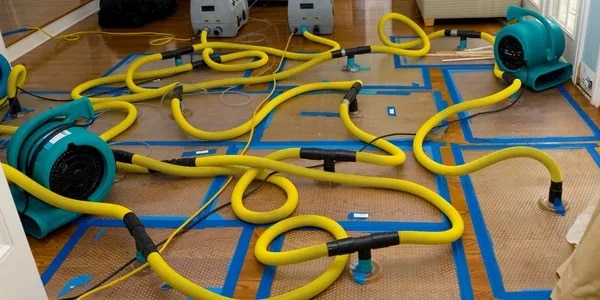
Many Phoenix homes sit empty for months while their owners travel. A burst supply line or failed water heater does not wait for you to return. With no one home, a small leak can flood the house for weeks. The result is some of the most expensive water damage a home can see.
Key Takeaways
- A leak in an empty home can run for weeks before anyone notices.
- Shutting off the main water supply is the single best safeguard.
- Vacant-home water damage claims are sometimes limited or denied.
Why Empty Homes Flood
The risk is not that vacant homes leak more often. It is that no one is there to catch it. A small drip becomes a disaster with time.
The Time Factor
A supply line that fails while you are home gets shut off in minutes. The same failure in an empty house runs unchecked. Water spreads through floors, walls, and ceilings for days.
Common Culprits
Washing machine hoses, water heaters, and supply lines fail with age. A slow toilet or fitting leak adds up over weeks. Any of these can flood a quiet home.
The Insurance Surprise
Many owners assume their policy fully covers a vacant-home flood. That assumption can be wrong. The gap catches people off guard.
Vacant-Home Limits
Insurers often limit or deny claims on long-vacant homes. Negligence, like leaving the water on, can void coverage. The Insurance Information Institute explains water-damage coverage in its homeowners insurance facts.
How to Protect a Vacant Phoenix Home
A few steps before you leave prevent most disasters. None takes much time. All are cheaper than a flooded home.
Shut Off the Water
Shut off the main water valve before you travel for a while. This single step stops most vacant-home floods. Drain the lines if you will be gone for months.
Inspect and Monitor
Check hoses, the water heater, and supply lines before leaving. The EPA's Fix a Leak guidance explains how small leaks become big losses. A smart leak detector can alert you while away.
Have Someone Check In
Ask a neighbor or service to look in periodically. A quick check can catch a leak early. Early discovery limits the damage.
What to Do If You Come Home to a Flood
Returning to standing water is every snowbird's fear. A clear plan limits the damage from there. Move quickly and safely.
Stay Safe and Call
Shut off the water and avoid standing water near outlets. Photograph everything for your insurance claim. Then call a restoration team to extract and dry.
Bright Home Construction responds to vacant-home water damage for Phoenix homeowners year-round. We extract the water, dry the structure, and check for hidden mold. You can see how our water damage restoration service handles long-running leaks.
Because a hidden leak often breeds mold, our mold removal team checks the home too. Treating it early prevents a second problem.
Smart Leak Detectors and Auto Shut-Off Valves
Technology now does the watching for you. A few devices catch a leak the moment it starts. They are a smart upgrade for a home left empty.
Smart Leak Sensors
Place leak sensors near the water heater, washer, and sinks. They send an alert to your phone at the first drop. That warning can save you weeks of hidden flooding.
Automatic Shut-Off Valves
An automatic shut-off valve cuts the water when it senses a leak. It acts even when no one is home. Paired with sensors, it is the strongest defense available.
How Long Can a Home Sit Vacant?
Vacancy is not just a length of time to insurers. It changes how your policy responds. Knowing the line protects your coverage.
The Policy Definition
Many policies treat a home as vacant after thirty to sixty days. Coverage can narrow once that line is crossed. A long snowbird season can quietly trigger it.
Closing the Gap
A vacancy endorsement or permit keeps coverage intact. Notify your insurer before a long trip. That conversation avoids a denied claim later.
A Pre-Travel Water Checklist
A short routine before you leave prevents most floods. Each step takes only minutes. Together they protect the whole home.
Shut Off and Drain
Shut off the main water valve before you go. Open faucets to drain the remaining water from the lines. Turn off the water to outside spigots too.
Inspect and Set the Home
Check hoses, the water heater, and supply lines for wear. Clean the gutters so storm water drains away. Set the HVAC to keep the interior stable.
Setting Up Vacant-Home Coverage
The right coverage is as important as the prevention. A gap here can undo all your prep. A quick review protects you.
Talk to Your Insurer
Tell your insurer how long the home will sit empty. Ask about a vacancy endorsement for the trip. Confirm what is and is not covered while away.
Document Before You Go
Photograph the home and its systems before leaving. Keep records of any recent maintenance. A fast Water Damage Restoration Near Me call plus that record speeds any claim.
Frequently Asked Questions
Should you turn off the water if the house is vacant?
Yes. Shutting the main valve is the best way to prevent a vacant-home flood. Drain the lines for longer absences.
What happens if you leave water damage untreated?
It spreads into walls and floors and breeds mold. Structural materials weaken the longer they stay wet. The repair grows more expensive over time.
Will insurance pay for water damage in a vacant home?
It depends on your policy and the cause. Many insurers limit coverage on long-vacant homes. Leaving the water on can be treated as negligence.
How long can a leak go unnoticed in an empty house?
It can run for days or weeks until someone checks in. That is why monitoring matters. The longer it runs, the worse the damage.
How long can a house be left vacant before insurance changes?
Many policies treat a home as vacant after thirty to sixty days. Coverage can narrow once that line is crossed. A vacancy endorsement keeps it intact.
Do smart leak detectors really help a vacant home?
Yes. Leak sensors alert your phone at the first drop, and an automatic shut-off valve cuts the water on its own. Together they stop a flood before it spreads.
Travel Without the Water-Damage Risk
An empty home is most at risk from the leak no one is there to stop. Shutting off the water is the simplest protection there is. If you return to a flooded Phoenix home, our water damage restoration in Phoenix team handles fast extraction and drying.